Search
Genus

Oxytropis

Called “oxytropises” in GBIF

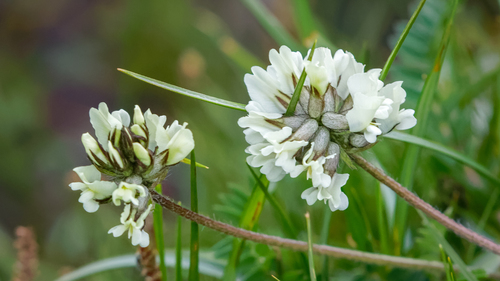
Oxytropis is a genus of plants in the legume family. It includes over 600 species native to subarctic to temperate regions of North America and Eurasia. It is one of three genera of plants known as locoweeds, and are notorious for being toxic to grazing animals. The other locoweed genera are the closely related Astragalus, and the Australian Swainsona. Most oxtropis species are native to Eurasia and North America, but several species are native to the Arctic. These are hairy perennial plants which produce raceme inflorescences of pink, purple, white, or yellow flowers which are generally pea-like but have distinctive sharply beaked keels. The stems are leafless, the leaves being all basal. The plant produces legume pods containing the seeds.

From Wikipedia, licensed under CC BY-SA 4.0

643
accepted species in GBIF
Source: GBIF
1
plant on Plant News
1
research article
Browse by topic

Plants in this genus

1 plant

Research on Oxytropis

1 article

What science is finding about Oxytropis

Every article on Plant News that mentions a member of this genus, newest first.

Latest finding

Plant identity, not warming, controls leaf fungal disease risk

A long-running climate experiment in an alpine meadow found that which plant species a fungus lives on matters far more than warming or rainfall changes in determining whether that fungus is a potential pathogen. This suggests that as climate change shifts which plants dominate alpine landscapes, that shift (not direct heat or drought stress on fungi) will drive future plant disease risk.