Genome editing‑based strategies to combat geminiviruses: CRISPR/Cas9 and emerging high‑fidelity tools.
Sharma D, Khan M, Khan JA
Crispr
Geminiviruses, spread by whiteflies, routinely wipe out tomato, pepper, and bean harvests — and CRISPR-based crop resistance could mean fewer failed gardens and more food on shelves without heavier pesticide use.
Geminiviruses are a group of plant viruses carried by tiny whitefly insects that cause massive losses in vegetable and staple-crop farms worldwide. Scientists have found that CRISPR — a molecular tool that works like precise scissors on genetic material — can cut apart the virus's own DNA inside an infected plant cell, stopping the infection in its tracks. This review maps out the best strategies for using CRISPR and newer, more accurate versions of it to build virus-resistant crops without accidentally damaging the plant's own genes.
Key Findings
CRISPR/Cas9 can directly target conserved regions of geminivirus DNA, disrupting viral replication and reducing disease symptoms in infected plants
High-fidelity Cas9 variants substantially lower the rate of unintended off-target cuts in the host plant genome compared to standard Cas9, improving safety for crop applications
Multiplexed guide RNA strategies targeting multiple viral sequences simultaneously can confer broader resistance against diverse geminivirus species and strains
chevron_right Technical Summary
Researchers review how CRISPR/Cas9 gene-editing tools can be deployed to fight geminiviruses, a family of plant viruses responsible for devastating crop losses globally. The paper also examines next-generation high-fidelity editing variants that reduce unintended genetic changes, making the approach safer and more practical for real-world crop protection.
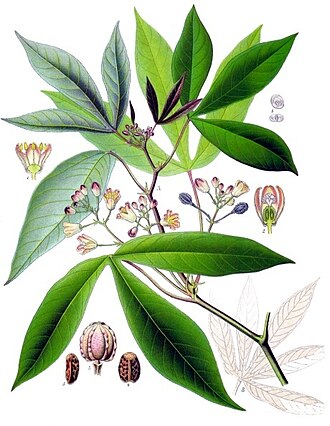
Species Mentioned


Was this useful?
Want to tell us more? (optional)
Thanks for the note!
Something went wrong — please try again.
Too many submissions. Try again in an hour.
Targeted knockout of a host peroxisomal peptidase confers field resistance to...
The corn in your grocery store and the staple food keeping millions of East African families fed is under serious threat from a viral disease that can wipe o...

The tomato is a plant whose fruit is an edible berry that is eaten as a vegetable. The tomato is a member of the nightshade family that includes tobacco, potato, and chili peppers. It originated from western South America, and may have been domesticated there, in Mexico, or in Central America. Th...