coconut palm (Cocos nucifera) observed in Alohea Ave, Honolulu, HI, US
iNaturalist: juliencw
Urban Ecology
Tracking where coconut palms grow in cities like Honolulu helps gardeners and urban planners understand which tropical trees thrive in neighborhood environments, informing what you might successfully plant in a similar coastal urban yard.
Someone spotted and photographed a coconut palm on a street in Honolulu and submitted it to a nature-tracking app, where experts confirmed the identification. Coconut palms are one of the most useful plants on Earth, providing food, oil, and materials to millions of people. This kind of community sighting helps build a living map of where these trees are growing in the wild and in cities.
Key Findings
Observation was classified as 'research-grade,' meaning multiple community experts agreed on the identification
The sighting is located in Honolulu, HI — within the tropical zone where coconut palms grow naturally outdoors year-round
Cocos nucifera is the only living species in the genus Cocos, making every confirmed sighting a record of a botanically unique tree
chevron_right Technical Summary
A coconut palm was observed and confirmed at a residential street in Honolulu, Hawaii, contributing a verified data point to community science records of this iconic tropical tree in urban settings.
Abstract Preview
Research-grade observation of coconut palm in Alohea Ave, Honolulu, HI, US.
open_in_new Read full abstractAbstract copyright held by the original publisher.
Species Mentioned
Was this useful?
Want to tell us more? (optional)
Thanks for the note!
Something went wrong — please try again.
Too many submissions. Try again in an hour.
Warming killed underground fungi and pushed meadows toward shrublands
Mountain meadows and wildflower-rich grasslands many people hike through and depend on for clean water and biodiversity are quietly transforming underground ...
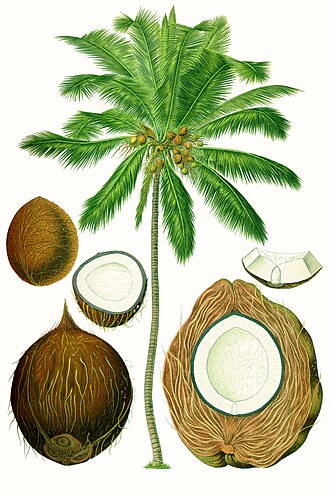
The coconut is a member of the palm family (Arecaceae) and the only living species of the genus Cocos. The term "coconut" can denote the whole coconut palm tree or the large hard fruit. Originally native to Central Indo-Pacific, they are ubiquitous in coastal tropical regions.