Amentoflavone Mitigates UVB-Induced Epidermal Photoaging by Antagonizing PAR2-Driven PI3K/Akt/FoxO6 Oxidative-Stress Signaling.
Li L, Li Z, Xiao S, Li A, Tian F
Plant Signaling
It points toward a natural, plant-based ingredient that could appear in future sunscreens or skincare products — sourced from the same resilient plants that survive near-complete dehydration in the wild.
Scientists discovered that a natural compound found in a tough little plant called the resurrection plant can protect skin from the kind of damage caused by the sun's UV rays. It works by blocking a chain reaction inside skin cells that would otherwise cause them to age faster. This finding could lead to plant-derived ingredients in sunscreens or anti-aging creams that are gentler and more natural than current synthetic options.
Key Findings
Amentoflavone (AF) applied at doses of 0.1–0.2 mg/g significantly reduced UVB-induced skin cell aging in both animal and cellular models.
AF works by blocking the PAR2-driven PI3K/Akt/FoxO6 signaling pathway, a specific molecular chain reaction that ramps up oxidative stress and accelerates skin aging after UV exposure.
The compound is derived from Selaginella tamariscina (the resurrection plant), a natural source with recognized safety, supporting its potential use as a plant-derived photoprotectant.
chevron_right Technical Summary
A compound called amentoflavone, extracted from a drought-hardy plant called the resurrection plant, protects skin cells from UV-B radiation damage by blocking a specific molecular pathway that drives premature skin aging.
Abstract Preview
Escalating surface ultraviolet-B (UVB) radiation accelerates skin photoaging and underscores the need for safe, plant-derived photoprotectants. Amentoflavone (AF), the principal biflavonoid of the ...
open_in_new Read full abstractAbstract copyright held by the original publisher.
Species Mentioned
Was this useful?
Want to tell us more? (optional)
Thanks for the note!
Something went wrong — please try again.
Too many submissions. Try again in an hour.
Nanoplastics interfere with plant-mycorrhizal communication and limit plant growth.
Microplastics breaking down in your garden soil are quietly strangling the beneficial fungi that help your vegetables absorb phosphorus and other nutrients, ...
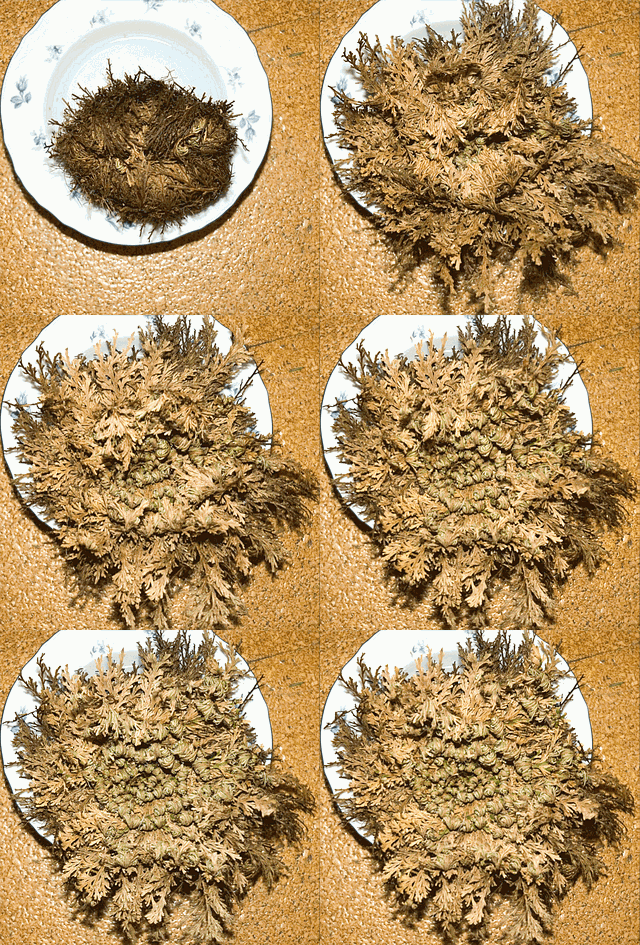
A resurrection plant is a plant that can survive extreme dehydration of its vegetative tissues and resume normal metabolic activity upon rehydration. These plants exhibit desiccation tolerance and are often described as poikilohydric, allowing them to lose more than 90% of their cellular water wh...