Advances in natural medicinal plant-based interventions against hypoxia-related neuroinflammation.
Li QY, Wang CB, Liu WJ, Bu XS, Zheng YD
Medicinal Plants
Several of the plants studied — saffron, ginseng, and Rhodiola — are already available in gardens, health stores, or as common culinary herbs, meaning the brain-protective compounds being researched are growing in backyards and kitchens right now.
When the brain doesn't get enough oxygen — from altitude, illness, or aging — it triggers harmful inflammation that can damage brain cells. Scientists reviewed centuries of Asian herbal medicine and found that plants like saffron, ginseng, and Rhodiola contain natural compounds that can actually calm this inflammatory response at the molecular level. Some of these plant extracts are already being used in clinical settings, bridging traditional wisdom with modern medicine.
Key Findings
Phytochemicals from traditional medicinal plants — including crocin (saffron), salidroside (Rhodiola), and geniposide (gardenia) — were found to reduce brain inflammation by targeting multiple molecular pathways simultaneously.
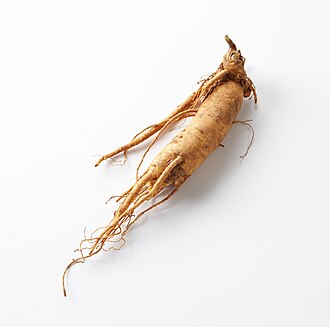
The review covered studies published between 2010 and 2025 across six major scientific databases, identifying four key plants — Gynostemma pentaphyllum, Crocus sativus, Rhodiola crenulata, and Panax ginseng — with strong evidence for treating hypoxia-related brain disorders.
One standardized plant extract, EGb 761 (from Ginkgo biloba), has already completed clinical translation, demonstrating that plant-derived neuroinflammation treatments can move from folk remedy to approved therapy.
chevron_right Technical Summary
Researchers reviewed how traditional Asian medicinal plants — many used for centuries to treat altitude sickness and brain fog — work against the kind of brain inflammation triggered by low oxygen. Plants like Rhodiola, saffron, and ginseng contain compounds that target key inflammatory pathways, offering real potential for new neurological treatments.
Abstract Preview
In Asian ethnomedicine, medicinal plants have long been used to relieve hypoxia-related symptoms. This review links hypoxia-responsive mechanisms to representative plant-derived modulators with tra...
open_in_new Read full abstractAbstract copyright held by the original publisher.




Was this useful?
Want to tell us more? (optional)
Thanks for the note!
Something went wrong — please try again.
Too many submissions. Try again in an hour.
Nanoplastics interfere with plant-mycorrhizal communication and limit plant growth.
Microplastics breaking down in your garden soil are quietly strangling the beneficial fungi that help your vegetables absorb phosphorus and other nutrients, ...

Rhodiola is a genus of perennial plants in the family Crassulaceae that resemble Sedum and other members of the family. Like sedums, Rhodiola species are often called stonecrops. Some authors merge Rhodiola into Sedum.