Dendrobium huoshanense polysaccharides alleviate DSS-induced ulcerative colitis in mice: comparison between different parts of plant and role of GLP-1/GLP-1R axis.
Gao X, Shang ZZ, Li QM, Zhang FY, Zha XQ
Medicinal Plants
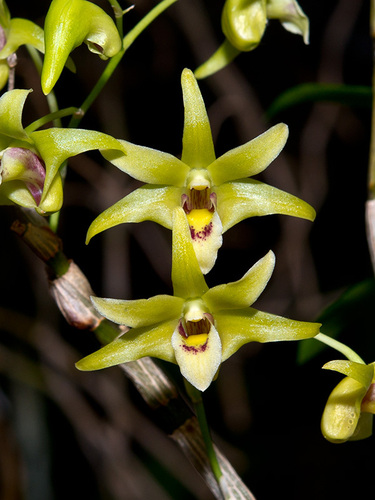
It shows that a specific part of a traditional medicinal orchid — the stem — holds the most therapeutic punch, meaning growers and herbalists can focus cultivation and harvesting efforts more precisely for better health outcomes.
Scientists tested extracts from the stems, leaves, and flowers of a medicinal orchid used in Chinese herbal medicine and found that the stem extract was the best at soothing gut inflammation in mice with a condition similar to Crohn's disease. The stem extract works by triggering the release of a natural gut hormone that tells the body to reduce inflammation. This gives real scientific backing to a plant remedy that healers have used for centuries.
Key Findings
Stem polysaccharides (DHPS) outperformed both leaf and flower polysaccharides in reducing ulcerative colitis symptoms, including improved gut lining integrity and mucus barrier function.
DHPS elevated levels of the anti-inflammatory gut hormone GLP-1, and blocking the GLP-1 receptor with a drug (Exendin 9-39) cancelled out DHPS's protective effects, confirming the GLP-1 pathway as the mechanism.
The beneficial effects of DHPS were independent of changes to gut microbiota, isolating GLP-1 signaling as the primary driver of its anti-colitis action.
chevron_right Technical Summary
Researchers found that polysaccharides extracted from the stems of Dendrobium huoshanense (a medicinal orchid) are the most effective part of the plant for relieving ulcerative colitis in mice, working by boosting a gut hormone called GLP-1 that calms intestinal inflammation.
Abstract Preview
Dendrobium huoshanense has been long used to treat gastrointestinal disorders including ulcerative colitis (UC) in traditional Chinese medicine. Polysaccharides as its main active components can al...
open_in_new Read full abstractAbstract copyright held by the original publisher.
Species Mentioned
Was this useful?
Want to tell us more? (optional)
Thanks for the note!
Something went wrong — please try again.
Too many submissions. Try again in an hour.
Fifteen herbs from turmeric to lion's mane protect the aging brain
The saffron crocuses you plant in fall, the turmeric on a sunny windowsill, and the lemon balm spreading in your herb bed all contain compounds that clinical...
Gut health research investigates how plant compounds affect human digestive function and intestinal microbial communities. This field is significant for plant science as it validates traditional medicinal plant uses, identifies bioactive compounds with therapeutic potential, and bridges
arrow_forward Explore topic