How scientists watch corn genes shuffle during reproduction
Zimina O, Jing J, Zelkowski M, Pawlowski WP
Crop Improvement
The corn in any summer garden plot got its traits from exactly this gene-shuffling process, and learning to steer it means breeders could develop new varieties faster, with fewer years of trial and error in the field.
When corn plants make pollen and eggs, their chromosomes pair up and swap pieces of genetic material in a process called meiosis. This review rounds up the best tools scientists use to watch that swapping happen, from glowing chromosome tags under a microscope to tiny droplet-based tests that count gene swaps one by one. Corn is a favorite plant for this kind of study because its chromosomes are big and easy to see, and what researchers learn here can apply to other crops too.
Key Findings
Maize is highlighted as a key model organism for meiosis research due to its large chromosomes and extensive genetic/cytogenetic toolkit
The review covers three complementary methods: protein immunolocalization and FISH for visualizing chromosome behavior, ChIP for mapping recombination proteins and chromatin marks, and droplet digital PCR-based pollen typing for precise crossover rate measurement
Combining cytological, molecular, and high-resolution quantitative approaches gives a multiscale picture linking molecular mechanisms to visible chromosome behavior and genetic variation
chevron_right Technical Summary
Scientists reviewed the toolkit for studying how maize swaps and shuffles its genes during reproduction, a process called meiosis that shapes genetic diversity. Better understanding of this process could help breeders speed up crop improvement.
Abstract Preview
Original paper
Analyzing Meiosis in Maize.
Meiosis is central to sexual reproduction and the main source of genetic diversity in plants. Understanding how meiotic processes are regulated has direct relevance to agriculture. As meiotic recom...
open_in_new Read full abstractAbstract copyright held by the original publisher.
Species Mentioned

Was this useful?
Want to tell us more? (optional)
Thanks for the note!
Something went wrong — please try again.
Too many submissions. Try again in an hour.
Targeted knockout of a host peroxisomal peptidase confers field resistance to...
The corn in your grocery store and the staple food keeping millions of East African families fed is under serious threat from a viral disease that can wipe o...
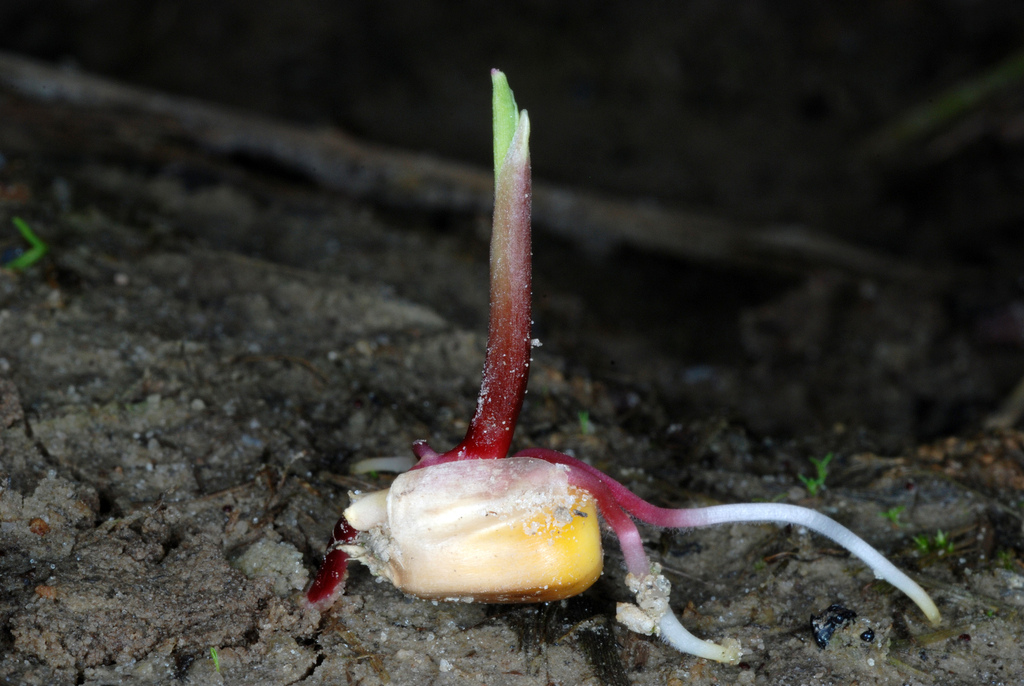
Photo (c) Douglas Goldman, taken in Virginia, United States. CC BY-SA via iNaturalist.
Plant signaling encompasses the molecular and cellular mechanisms by which plants perceive and respond to environmental changes, hormonal signals, and stress conditions. These signaling pathways regulate fundamental biological processes including growth, development, nutrient acquisition, and
arrow_forward Explore topic