Why oil-tea camellia flower buds drop before they open
Wang Y, Chen X, Chen Y, Liao B, Zhang H
Crop Improvement
If you grow camellias or any fruiting shrub that mysteriously sheds flower buds before bloom, this research points to a fixable culprit: buds running low on energy and antioxidant protection right when they need it most.
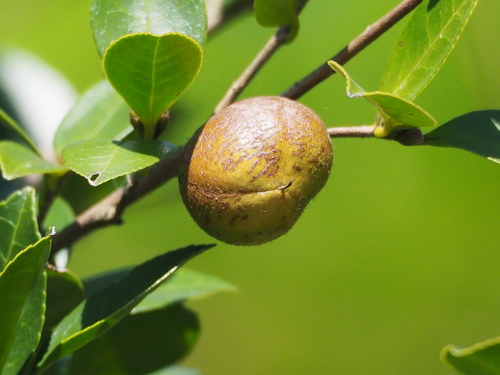
Camellia drupifera is a tree grown for its seed oil, but many of its flower buds fall off before they ever open, cutting into harvests. By studying the buds at three growth stages, researchers found that as buds develop, their hormone levels drop, they run short on stored energy and sugars, and their natural antioxidant defenses weaken while stress compounds build up. That combination seems to make the buds more likely to wither and drop, giving growers clues about which biological switches might be adjusted to keep more buds on the tree.
Key Findings
IAA, ABA, and the ethylene precursor ACC all decreased significantly between the second and third floral bud stages, while GA3 stayed stable in stage two but dropped sharply in stage three.
Relative water content, SOD antioxidant activity, soluble sugar, and soluble protein all declined across development while hydrogen peroxide (an oxidative stress marker) increased.
Upregulated energy-metabolism enzymes (pyruvate kinase, citrate synthase, succinate dehydrogenase, aldolase, hexokinase) boosted ATP production, while downregulated enzymes in tryptophan, terpenoid, and anthocyanin pathways likely drove the drops in IAA, ABA/GA3, and antioxidant pigments.
chevron_right Technical Summary
Scientists tracked hormone, protein, and metabolite changes across three stages of flower bud development in Camellia drupifera, an oil-seed tree, and found that dropping energy and hormone levels weaken the buds' antioxidant defenses, a likely cause of the flower drop that costs growers yield.
Abstract Preview
Original paper
Integrated Proteomics and Metabolomics Analysis Reveals Regulatory Mechanisms Underlying Flower Bud Development in Camellia drupifera.
Camellia drupifera is an economically important woody oil plant rich in edible seed oil. High-quality and well-developed floral buds are key determinants of its yield. However, studies on the regul...
open_in_new Read full abstractAbstract copyright held by the original publisher.
Species Mentioned
Was this useful?
Want to tell us more? (optional)
Thanks for the note!
Something went wrong — please try again.
Too many submissions. Try again in an hour.
Targeted knockout of a host peroxisomal peptidase confers field resistance to...
The corn in your grocery store and the staple food keeping millions of East African families fed is under serious threat from a viral disease that can wipe o...
Plant signaling encompasses the molecular and cellular mechanisms by which plants perceive and respond to environmental changes, hormonal signals, and stress conditions. These signaling pathways regulate fundamental biological processes including growth, development, nutrient acquisition, and
arrow_forward Explore topic