Mixing microbes with fungicide fights ginseng root rot better
Li XQ, Xing CX, Dong R, Tang H, Kong LX
Soil Health
If you grow root crops or herbs, this shows how pairing beneficial soil microbes with a smaller dose of fungicide can outperform chemicals alone, meaning healthier soil and less spraying in your own garden beds.
Ginseng plants are under attack from a fungus that rots their roots, and farmers usually fight it with chemical fungicides. Researchers discovered that mixing specific helpful bacteria with a reduced dose of fungicide works even better than the full chemical treatment alone, cutting the disease dramatically while also feeding beneficial microbes in the soil. The combo even triggered the ginseng plant's own defense genes and changed the soil's microbial community for the better.
Key Findings
One bacteria-fungicide combo (NJF 5:1) achieved 81.48% field control efficacy against the root rot pathogen Ilyonectria robusta
Five of nine tested combinations exceeded 50% control efficacy, and the winning combo boosted biocontrol strain colonization and seven lipopeptide biosynthesis genes compared to single-strain treatments
The fungicide fludioxonil triggered the biocontrol bacterium to produce more antifungal compounds (p-hydroxybenzaldehyde and 4-methylphenol), while soil microbiome shifts increased beneficial microbes (Granulicella, Pseudogymnoascus) and suppressed the pathogen
chevron_right Technical Summary
Scientists found that combining beneficial soil bacteria with chemical fungicides controls a devastating ginseng root rot disease far better than either treatment alone, cutting chemical use while boosting the plant's natural defenses.
Abstract Preview
Original paper
Synergistic and Fungicide-Reducing Effects of Biological Agents with Chemical Fungicides against Ginseng Rusty Root Rot.
Ginseng rusty root rot caused by Ilyonectria robusta threatens ginseng production. This study screened synergistic combinations of biocontrol agents and chemical fungicides. Combined treatments inh...
open_in_new Read full abstractAbstract copyright held by the original publisher.
Species Mentioned
Was this useful?
Want to tell us more? (optional)
Thanks for the note!
Something went wrong — please try again.
Too many submissions. Try again in an hour.
Targeted knockout of a host peroxisomal peptidase confers field resistance to...
The corn in your grocery store and the staple food keeping millions of East African families fed is under serious threat from a viral disease that can wipe o...
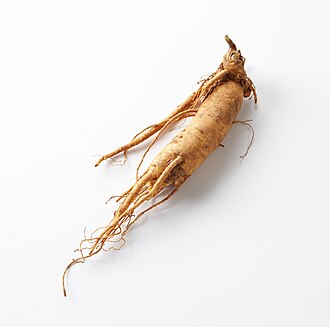
Ginseng is the root of plants in the genus Panax, such as South China ginseng (P. notoginseng), Korean ginseng (P. ginseng), and American ginseng (P. quinquefolius), characterized by the presence of ginsenosides and gintonin.