Iron nanoparticles help a mint relative survive salty soil
Medicinal Plants
Salty soil is creeping into farmland worldwide as irrigation water and coastal aquifers turn brackish, and this study shows a simple iron treatment can help a medicinal herb keep growing and even boost the oils that give it value.
Ziziphora clinopodioides is a wild herb related to mint that's prized for its essential oil, but salty soil stunts its growth and stresses it out. Researchers found that treating the plants with tiny iron oxide particles helped them hold onto water, keep the right balance of potassium versus sodium, and even make more of the oily compounds that give the plant its value, as long as the dose wasn't too high. Too much of the nanoparticle treatment backfired and became toxic to the plant.
Key Findings
Severe salt stress (160 mM NaCl) cut shoot dry weight by 61.1% and plant height by 52.7%, while sodium buildup rose 181.6% and cell-damage marker MDA rose 747.1%
Fe2O3 nanoparticles at 100 mg/L reversed much of the damage: shoot dry weight increased 150%, water content rose 29.6%, and the healthy potassium-to-sodium ratio improved 173%
The same 100 mg/L dose cut sodium accumulation by 49.4% and MDA (oxidative damage) by 71.8%, but the highest dose tested (150 mg/L) became phytotoxic instead of helpful
chevron_right Technical Summary
Iron oxide nanoparticles helped a salt-stressed medicinal herb grow bigger, stay hydrated, and produce more essential oil, offering a possible tool for farming in salty soils. The right dose mattered a lot: too much nanoparticle actually hurt the plant.
Abstract Preview
Original paper
Iron oxide nanoparticles mitigate salinity stress in Ziziphora clinopodioides by enhancing growth, ion homeostasis, and essential oil content
Salinity is a major environmental constraint limiting the growth, physiological performance, and productivity of medicinal plants. This study investigated the effects of iron oxide nanoparticles (F...
open_in_new Read full abstractAbstract copyright held by the original publisher.
Species Mentioned
Was this useful?
Want to tell us more? (optional)
Thanks for the note!
Something went wrong — please try again.
Too many submissions. Try again in an hour.
Targeted knockout of a host peroxisomal peptidase confers field resistance to...
The corn in your grocery store and the staple food keeping millions of East African families fed is under serious threat from a viral disease that can wipe o...
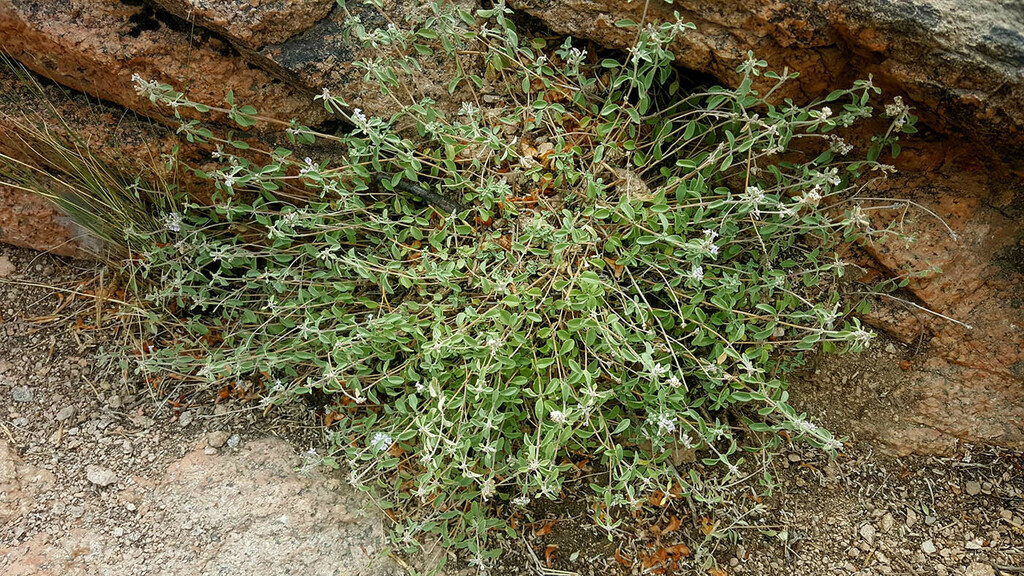
Photo (c) Urgamal Magsar, taken in Hovd, Mongolia. CC BY via iNaturalist.
Crop-improvement refers to the systematic enhancement of plant varieties through selective breeding, genetic modification, and biotechnological approaches to develop cultivars with superior agronomic, nutritional, or environmental traits. This field is essential for addressing global food security,
arrow_forward Explore topic