Wild carrot sightings are surging on nature-tracking apps right now
iNaturalist Community
Phenology
That lacy white flower cluster along the roadside or in your local meadow, often called Queen Anne's Lace, is the wild ancestor of the carrot in your garden bed, and late summer is peak season to spot it.
Right now, people out walking, hiking, and exploring are logging tons of sightings of wild carrot, the frilly white-flowered plant you've probably seen along roadsides and in fields. It's the same species that garden carrots were bred from, and it's easy to recognize once you know the telltale dark purple dot often found at the center of its flower cluster. The spike in observations just means late summer is prime time to find it blooming.
Key Findings
744 research-grade observations of wild carrot were logged on iNaturalist in a single week
Wild carrot ranked among the most-observed plant species on the platform during this period
The trend reflects peak summer bloom timing that makes the plant especially visible and identifiable
chevron_right Technical Summary
Wild carrot is having a big moment on iNaturalist this week, with nearly 750 verified sightings logged by everyday plant watchers across the country.
Abstract Preview
Original paper
Trending: wild carrot (Daucus carota) — 744 observations this week
wild carrot is among the most observed plant species this week with 744 research-grade observations.
open_in_new Read full abstractAbstract copyright held by the original publisher.
Species Mentioned

Was this useful?
Want to tell us more? (optional)
Thanks for the note!
Something went wrong — please try again.
Too many submissions. Try again in an hour.
Warming killed underground fungi and pushed meadows toward shrublands
Mountain meadows and wildflower-rich grasslands many people hike through and depend on for clean water and biodiversity are quietly transforming underground ...
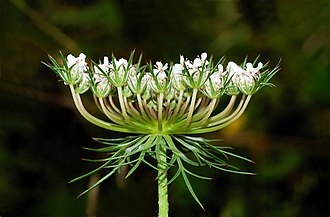
Daucus carota, whose common names include wild carrot, European wild carrot, bird's nest, bishop's lace, carrot flower, and Queen Anne's lace, is a flowering plant in the family Apiaceae. It is native to temperate regions of the Old World with a number of regional subspecies, and is naturalised w...