Native wetland wildflower spotted thriving in rural Alberta ditch
iNaturalist: kiyaryar
Native Plants
Roadside ditches and low-lying wet patches on rural properties often host native wetland plants like this one, and logging them on apps like iNaturalist helps track where these species still persist.
Someone out exploring Range Road 271B in Lacombe County, Alberta spotted water parsnip, a native plant that likes wet ditches and marshy edges, and snapped a photo good enough for other naturalists to confirm the ID. It's a small moment, but these confirmed sightings build a map of where native wetland plants are still growing across the prairies.
Key Findings
Observation was verified as 'research-grade' on iNaturalist, meaning the identification was confirmed by community consensus.
Location: Range Road 271B, Lacombe County, Alberta, Canada.
Species identified: Sium suave (water parsnip), a plant native to wet meadows, ditches, and marsh edges in North America.
chevron_right Technical Summary
A citizen scientist confirmed a research-grade sighting of water parsnip, a native wetland wildflower, growing along a rural road in Alberta, Canada.
Abstract Preview
Original paper
water parsnip (Sium suave) observed in Range Road 271B, Lacombe County, AB, CA
Research-grade observation of water parsnip in Range Road 271B, Lacombe County, AB, CA.
open_in_new Read full abstractAbstract copyright held by the original publisher.
Species Mentioned
Was this useful?
Want to tell us more? (optional)
Thanks for the note!
Something went wrong — please try again.
Too many submissions. Try again in an hour.
Warming killed underground fungi and pushed meadows toward shrublands
Mountain meadows and wildflower-rich grasslands many people hike through and depend on for clean water and biodiversity are quietly transforming underground ...
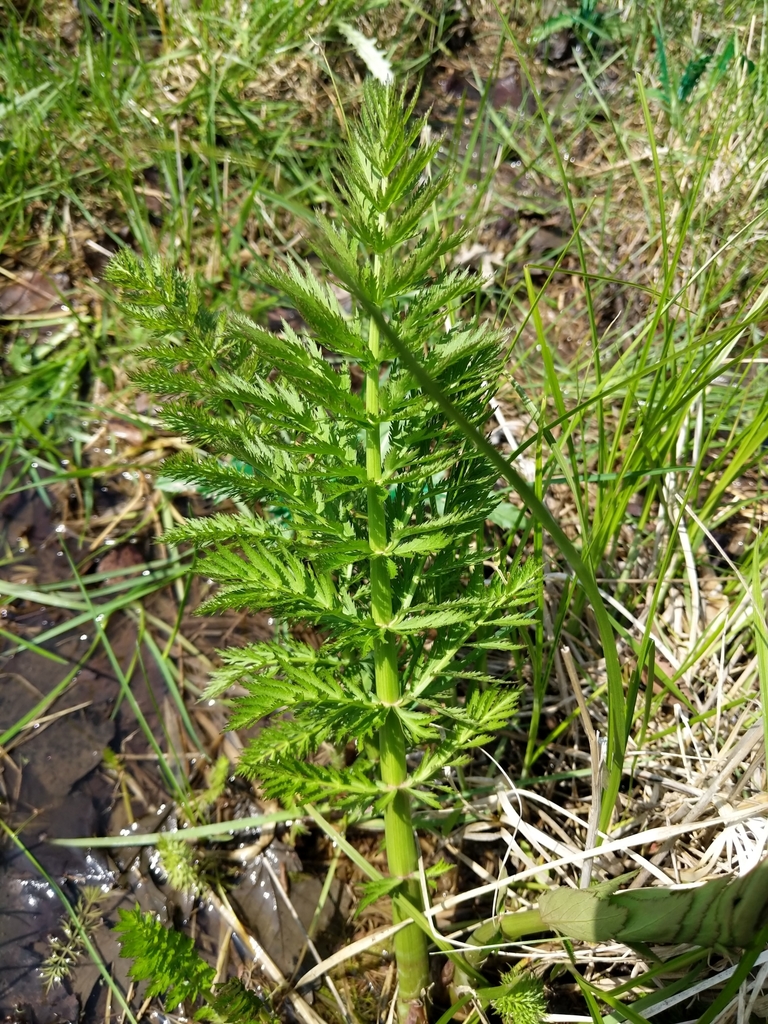
Photo (c) Paul Roots, taken in Illinois, United States. CC BY via iNaturalist.
Phenology is the study of recurring biological events in plant life cycles—such as flowering, fruiting, and germination—and how these events are timed in response to seasonal and climatic conditions. This research is essential to plant science because phenological patterns directly influence
arrow_forward Explore topic