Toxic mint relative spotted growing wild in Eugene, Oregon
iNaturalist: peal25
Native Plants
If you've got a dog that likes to nibble roadside greenery, pennyroyal's pretty purple flowers hide an oil that can cause serious liver damage in pets even in small amounts.
Someone out walking in Eugene spotted and confirmed a patch of pennyroyal, a low-growing mint relative with tiny purple flowers and a strong minty smell. It looks harmless and even smells nice, but its essential oil is toxic to dogs, cats, and livestock if they eat enough of it. It's the kind of plant worth learning to recognize on walks, especially if you have curious pets or graze animals nearby.
Key Findings
Observation was verified as 'research-grade' on iNaturalist, meaning the identification was confirmed by the community
Location recorded as W Amazon Dr, Eugene, Oregon, indicating the plant is naturalized in that area
Pennyroyal (Mentha pulegium) is known to contain pulegone, a compound toxic to mammals in concentrated form
chevron_right Technical Summary
A naturalist confirmed a sighting of pennyroyal, a minty herb with a toxic side, growing along a roadside in Eugene, Oregon. It's a reminder that this pretty plant spreads easily and can poison pets or livestock if ingested in quantity.
Abstract Preview
Original paper
Pennyroyal (Mentha pulegium) observed in W Amazon Dr, Eugene, OR, US
Research-grade observation of Pennyroyal in W Amazon Dr, Eugene, OR, US.
open_in_new Read full abstractAbstract copyright held by the original publisher.
Species Mentioned
Was this useful?
Want to tell us more? (optional)
Thanks for the note!
Something went wrong — please try again.
Too many submissions. Try again in an hour.
Rapid disruption of pollination function by the invasive plant Impatiens glan...
That pretty pink-flowered plant spreading along your local riverbank or woodland edge could be quietly starving native wildflowers of the bee visits they nee...
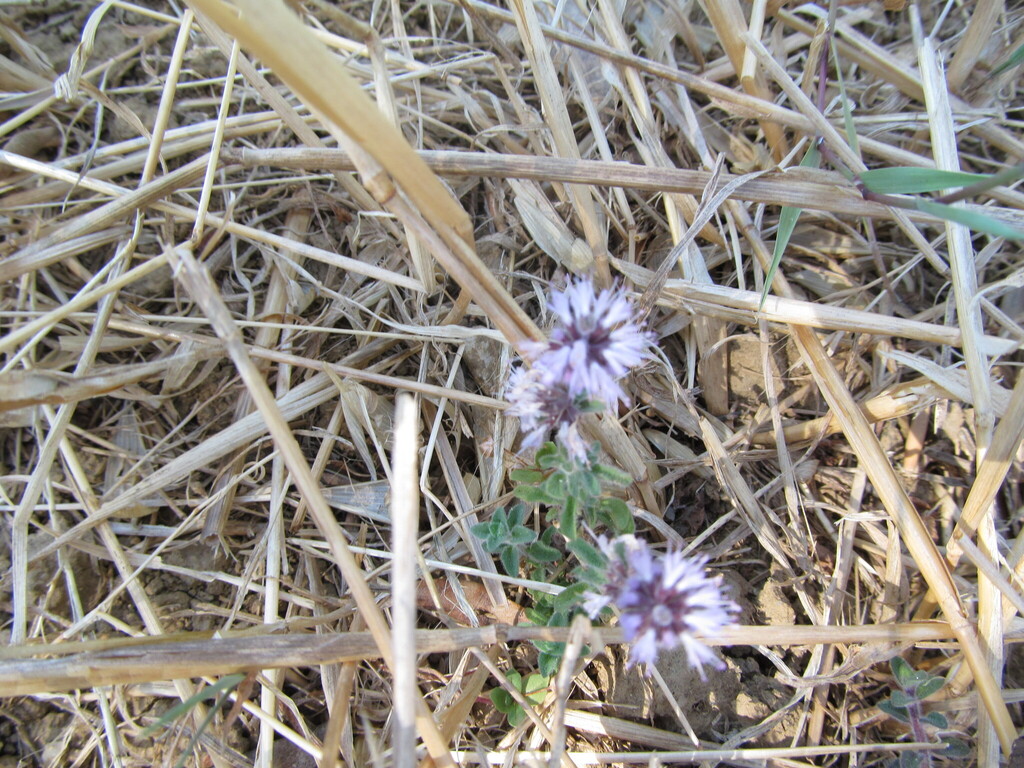
Photo (c) zebedeugalinha, taken in Coimbra, Portugal. CC BY via iNaturalist.
Urban ecology is the scientific study of living organisms and their interactions within densely developed environments dominated by buildings, paved surfaces, and human infrastructure. For plant science, this field is essential because it investigates how plants adapt and survive in fragmented
arrow_forward Explore topic