Wild black raspberry spotted along Vermont forest edges in Richford
iNaturalist: kpwells
Native Plants
Black raspberries ripen weeks before cultivated varieties, so spotting one in the wild tells you exactly when to scout your own hedgerows or forest edges for a free, intensely flavored harvest.
Someone found and photographed a black raspberry plant in Richford, Vermont, and enough people on iNaturalist agreed on the ID to call it confirmed. Black raspberries look like red raspberries but turn deep purple-black when ripe and have a distinctly richer, more complex flavor. They're native to eastern North America and tend to grow along forest edges, roadsides, and disturbed ground.
Key Findings
Research-grade observation of Rubus occidentalis confirmed in Richford, VT, US
Observation meets iNaturalist's research-grade threshold, requiring agreement from multiple independent identifiers
Richford sits near the Quebec border at the northern edge of black raspberry's native range, making this a range-relevant data point
chevron_right Technical Summary
A research-grade observation of black raspberry (Rubus occidentalis) was recorded in Richford, VT, confirming the species' presence in that northern Vermont locality. iNaturalist's research-grade designation means multiple observers agreed on the identification.
Abstract Preview
Original paper
black raspberry (Rubus occidentalis) observed in Richford, VT, US
Research-grade observation of black raspberry in Richford, VT, US.
open_in_new Read full abstractAbstract copyright held by the original publisher.
Species Mentioned
Was this useful?
Want to tell us more? (optional)
Thanks for the note!
Something went wrong — please try again.
Too many submissions. Try again in an hour.
Warming killed underground fungi and pushed meadows toward shrublands
Mountain meadows and wildflower-rich grasslands many people hike through and depend on for clean water and biodiversity are quietly transforming underground ...
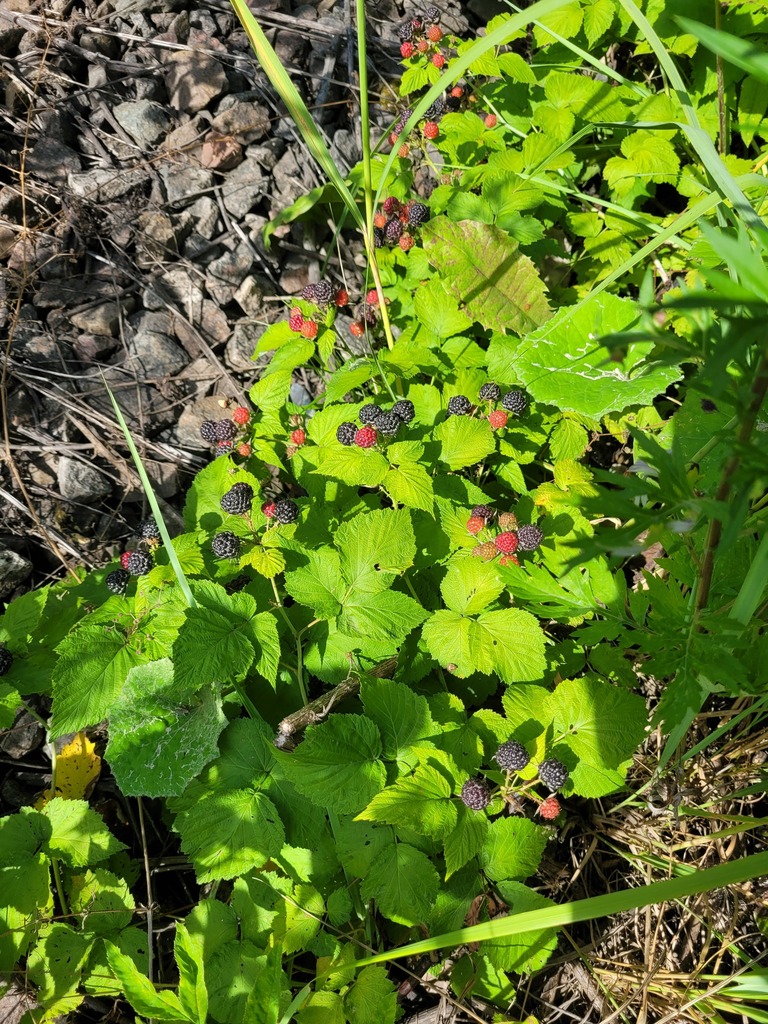
Photo (c) Dmitriy Bochkov, taken in Moskva, Russia. CC BY via iNaturalist.
Foraging refers to the search for and acquisition of wild food resources, encompassing the behavioral strategies animals use to locate and consume plants and other organisms. In plant science, understanding foraging behavior is critical because it illuminates plant-animal interactions, including
arrow_forward Explore topic