Plant-based meat alternatives: understanding the benefits and trade-offs for human and environmental health.
Shyam S, Ayoub-Charette S, Khandpur N, Kavanagh ME, Khan T
Crop Improvement
Plants in your grocery store's 'meat' aisle — soy, peas, wheat — are being engineered into ultra-processed products, and understanding whether they're truly better for you and the planet helps you make smarter choices about what ends up on your plate.
Scientists are taking a close look at foods like plant-based burgers and sausages to figure out if they're actually good for us and for the planet. On the environmental side, growing plants for food uses far less land and water than raising animals, and produces fewer greenhouse gases. But on the health side, many of these products are heavily processed and loaded with salt, so they're not quite the same as simply eating beans or lentils straight from the garden.
Key Findings
Plant-based meat alternatives generally have a significantly lower environmental footprint than conventional animal meat in terms of land use, water consumption, and greenhouse gas emissions.
Many commercially available plant-based meats are ultra-processed and contain high levels of sodium, raising questions about their net benefit for cardiovascular health compared to whole plant foods.
Nutritional profiles vary widely across products — protein quality, iron bioavailability, and micronutrient content in plant-based alternatives often differ substantially from the animal products they replace.
chevron_right Technical Summary
Plant-based meat alternatives (like burgers made from soy or peas) offer real environmental advantages over conventional meat, but they come with nutritional trade-offs — including high sodium and heavy processing — that make them a mixed bag for human health.


Was this useful?
Want to tell us more? (optional)
Thanks for the note!
Something went wrong — please try again.
Too many submissions. Try again in an hour.
Targeted knockout of a host peroxisomal peptidase confers field resistance to...
The corn in your grocery store and the staple food keeping millions of East African families fed is under serious threat from a viral disease that can wipe o...
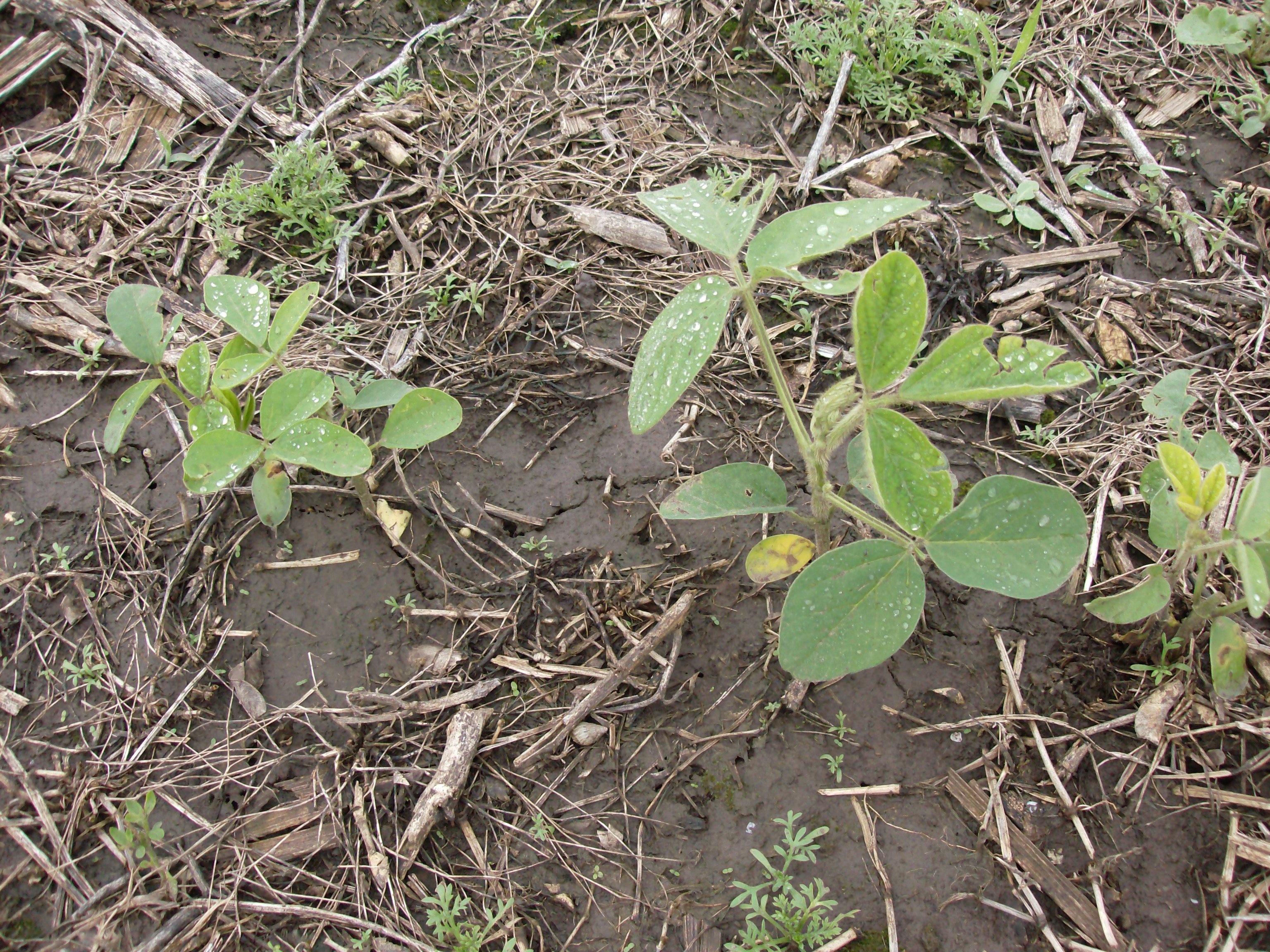
The soybean, soy bean, or soya bean is a species of legume native to East Asia, widely grown for its edible bean. Soy is a staple crop, the world's most grown legume, and an important animal feed.