red columbine (Aquilegia canadensis) observed in Markham, ON L6B 1A8, Canada
iNaturalist: ryan44703
Native Plants
Red columbine's spurred flowers are perfectly shaped for ruby-throated hummingbirds, so spotting it naturalized in a suburban yard means you may be one planting away from hosting a hummingbird visit each spring.
Someone in Markham, Ontario spotted and documented a red columbine growing in the wild — a beautiful native plant with drooping red and yellow flowers. This kind of community sighting helps scientists track where native plants are still thriving in and around cities. Red columbine is a beloved garden plant that also supports hummingbirds and long-tongued bees.
Key Findings
Red columbine (Aquilegia canadensis) was observed at a specific urban location in Markham, ON, postal code L6B 1A8
The observation achieved 'research-grade' status on iNaturalist, meaning it was confirmed by multiple community identifiers
The sighting adds a data point to the documented range of this native Ontario wildflower within urbanized landscapes
chevron_right Technical Summary
A research-grade observation of red columbine (Aquilegia canadensis) was recorded in Markham, Ontario, Canada, confirming the presence of this native wildflower in an urban area.
Abstract Preview
Research-grade observation of red columbine in Markham, ON L6B 1A8, Canada.
open_in_new Read full abstractAbstract copyright held by the original publisher.
Species Mentioned
Was this useful?
Want to tell us more? (optional)
Thanks for the note!
Something went wrong — please try again.
Too many submissions. Try again in an hour.
Warming killed underground fungi and pushed meadows toward shrublands
Mountain meadows and wildflower-rich grasslands many people hike through and depend on for clean water and biodiversity are quietly transforming underground ...
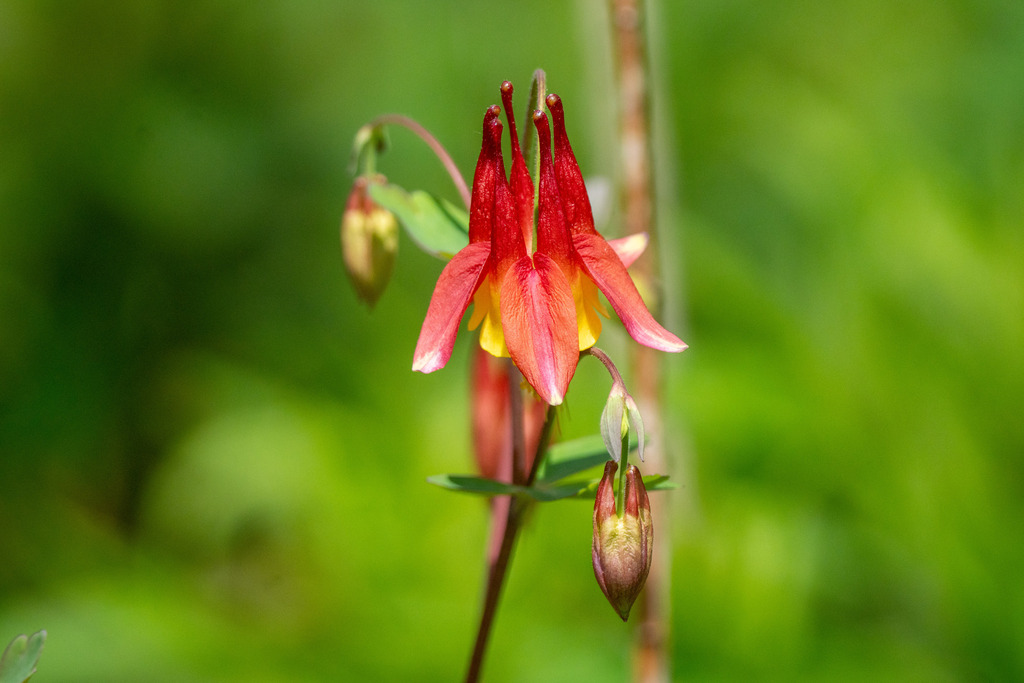
Photo (c) Andrew Lai, taken in Ontario, Canada. CC BY via iNaturalist.
Urban ecology is the scientific study of living organisms and their interactions within densely developed environments dominated by buildings, paved surfaces, and human infrastructure. For plant science, this field is essential because it investigates how plants adapt and survive in fragmented
arrow_forward Explore topic