Biological effects of selenium on Hypnum plumaeforme and the underlying mechanisms mediated by physiology and microbiome.
Wang L, Gong X, Rao S, Huang L, Cheng H
Phytoremediation
Feather moss blanketing the floor of shaded rock gardens and stream banks acts as a living pollution gauge — understanding exactly when selenium tips from beneficial to toxic tells conservationists and land managers how much contamination a wetland or watershed can absorb before its moss layer begins to collapse.
Scientists exposed a common feather moss to three different amounts of selenium dissolved in water, mimicking what mosses experience in selenium-rich or polluted environments. A small dose actually made the moss grow more and store more nutrients, a medium dose stressed it but triggered built-in chemical defenses that prevented damage, and a large dose overwhelmed those defenses and left the moss stunted with disrupted nutrient uptake. The moss protected itself by converting dangerous selenium into less toxic organic molecules, and the bacteria living alongside it helped reinforce those defenses.
Key Findings
Low selenium (2 mg/L) promoted biomass accumulation and ramped up production of selenomethionine, an organic form of selenium the moss uses as a detoxification strategy.
Medium selenium (4 mg/L) triggered antioxidant enzymes (SOD, CAT, GPX) that successfully neutralized oxidative stress, preventing cell damage despite hydrogen peroxide buildup.
High selenium (8 mg/L) caused toxicity — excess selenomethionine synthesis backfired, biomass declined, and nitrogen uptake was impaired, though enrichment of Alphaproteobacteria helped partially offset oxidative damage.
chevron_right Technical Summary
Researchers tested how feather moss responds to increasing levels of selenium — a naturally occurring element that turns toxic at high concentrations — and found that low doses promote growth, medium doses trigger protective defenses, and high doses overwhelm those defenses and stunt the plant. The moss survived partly by converting inorganic selenium into safer organic forms, with symbiotic bacteria playing a supporting role in tolerance.
Abstract Preview
Bryophytes provide vital ecosystem services, yet the biological effects of selenium (Se) on them remain largely unknown. This study simulated ecological scenarios with different selenite exposure l...
open_in_new Read full abstractAbstract copyright held by the original publisher.
Species Mentioned
Was this useful?
Want to tell us more? (optional)
Thanks for the note!
Something went wrong — please try again.
Too many submissions. Try again in an hour.
Nanoplastics interfere with plant-mycorrhizal communication and limit plant growth.
Microplastics breaking down in your garden soil are quietly strangling the beneficial fungi that help your vegetables absorb phosphorus and other nutrients, ...
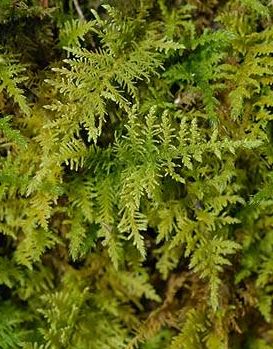
Hypnales, synonyms including Isobryales, is an order of Bryophyta or leafy mosses. This group is sometimes called feather mosses, referring to their freely branched stems. The order includes more than 40 families and more than 4,000 species, making them the largest order of mosses.