Flavonoids and polycystic ovary syndrome.
Shen H, Liu Y
Medicinal Plants
Quercetin in your garden onions, the isoflavones in your homegrown soybeans, and the puerarin in invasive kudzu vines are proving to be genuine medicine — not just folklore — for a condition affecting roughly 1 in 10 women.
Plants make a huge variety of natural pigments and protective chemicals called flavonoids — they're what make blueberries blue and onions pungent. Researchers reviewed dozens of studies and found these compounds can calm inflammation, lower excess hormones, and improve ovarian health in women with PCOS. Three specific plant compounds — quercetin (from foods like onions and apples), soy isoflavones, and puerarin from kudzu — showed the strongest results in human clinical trials.
Key Findings
Flavonoids activate the Nrf2 antioxidant pathway and suppress NF-κB and NLRP3 inflammasome signaling, directly reducing the oxidative stress and chronic inflammation that drive PCOS pathology.
Preclinical studies showed flavonoid treatment significantly reduced serum androgen and insulin levels and repaired abnormal ovarian morphology in PCOS animal models.
Clinical trials confirmed quercetin, soy isoflavones, and puerarin improved endocrine and metabolic biomarkers and enhanced oocyte (egg) quality in human PCOS patients.
chevron_right Technical Summary
A systematic review finds that plant-derived flavonoids — compounds abundant in everyday foods and medicinal herbs — can meaningfully improve hormonal and metabolic symptoms of polycystic ovary syndrome (PCOS), offering a potentially safer alternative to drugs with significant side effects.
Abstract Preview
Polycystic ovary syndrome (PCOS) is a heterogeneous endocrine disorder affecting women, characterized by irregular menstrual cycles, elevated androgen levels, and ovulatory dysfunction. Current cli...
open_in_new Read full abstractAbstract copyright held by the original publisher.

Was this useful?
Want to tell us more? (optional)
Thanks for the note!
Something went wrong — please try again.
Too many submissions. Try again in an hour.
Targeted knockout of a host peroxisomal peptidase confers field resistance to...
The corn in your grocery store and the staple food keeping millions of East African families fed is under serious threat from a viral disease that can wipe o...
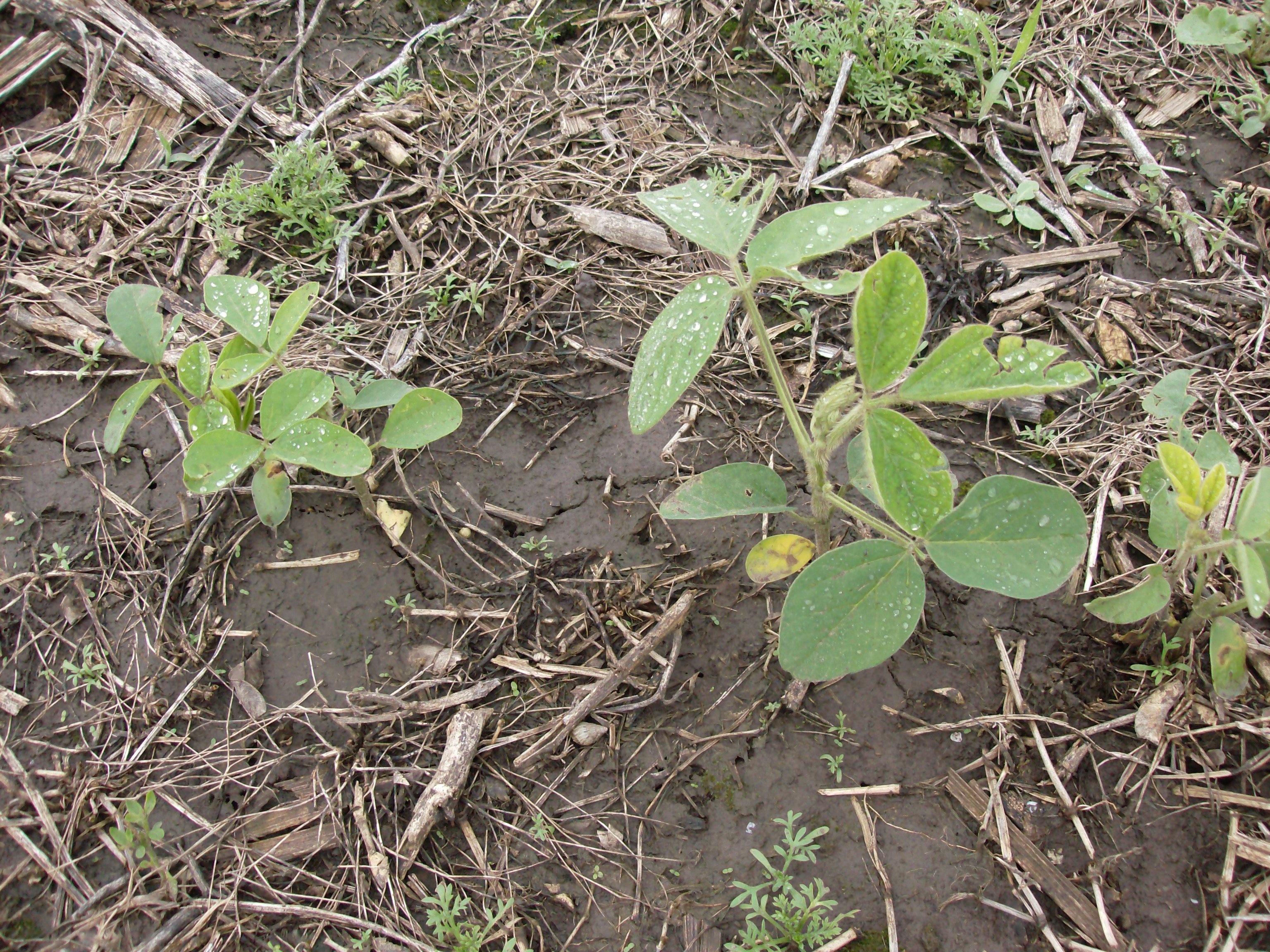
The soybean, soy bean, or soya bean is a species of legume native to East Asia, widely grown for its edible bean. Soy is a staple crop, the world's most grown legume, and an important animal feed.