High-throughput design of defined microbial consortia for crop protection.
Folorunso TR, Akwabeng PM, Rowaiye AB, Iduu NV, Bur D
Soil Health
The garlic and greens you grow in raised beds could soon be inoculated with a precision-blended microbial mix that primes their natural defenses the way a healthy forest floor does — no chemicals required.
Scientists are learning to mix specific beneficial bacteria and fungi together in carefully chosen combinations and apply them to crops like garlic, cotton, and leafy greens. These microbial teams help plants absorb nutrients better, fight off disease, and improve the soil around their roots. New tools like AI and gene editing are making it faster to design these microbial blends and predict how they'll behave in real farm conditions.
Key Findings
Synthetic microbial communities tested on crops including garlic, pakchoi, and cotton improved nutrient uptake, activated plant immune responses, and suppressed soil-borne diseases.
Delivery methods such as seed coating, foliar sprays, and encapsulated soil amendments can translate lab-designed microbial blends into practical field applications.
CRISPR gene editing and AI-driven simulation are accelerating the engineering of stable, predictable microbial communities, though field stability and biosafety remain key unsolved challenges.
chevron_right Technical Summary
Researchers review how deliberately designed communities of beneficial microbes can protect crops from disease, improve nutrient uptake, and build healthier soils — potentially replacing or reducing synthetic pesticides and fertilizers in farming.
Abstract Preview
Synthetic microbial communities (SynComs) are changing the mechanism of crop protection that ensures global sustainability in agricultural system. This review covers design principles of top-down a...
open_in_new Read full abstractAbstract copyright held by the original publisher.


Was this useful?
Want to tell us more? (optional)
Thanks for the note!
Something went wrong — please try again.
Too many submissions. Try again in an hour.
Targeted knockout of a host peroxisomal peptidase confers field resistance to...
The corn in your grocery store and the staple food keeping millions of East African families fed is under serious threat from a viral disease that can wipe o...
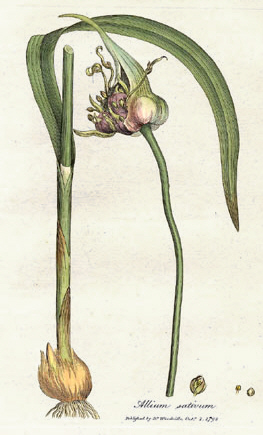
Garlic is a species of bulbous flowering plants in the genus Allium. Its close relatives include the onion, shallot, leek, chives, Welsh onion, and Chinese onion. Garlic is native to central and western Asia, stretching from the Black Sea through the southern Caucasus, northeastern Iran, and the ...