Genotype-dependent sulfur depletion is linked to antioxidant dysfunction and growth responses to As, Cd, and Pb in Alnus glutinosa.
Striganavičiūtė G, Sirgedaitė-Polikaitienė V, Šilanskienė M, Kniuipytė I, Praspaliauskas M
Phytoremediation
The black alder trees lining your nearest contaminated creek or roadside detention pond may already be doing quiet cleanup work, and knowing which genetic strain to plant could mean the difference between modest metal uptake and a genuinely effective restoration.
Scientists grew black alder trees — the ones commonly found along riverbanks — in water spiked with lead, cadmium, and arsenic to see how the trees handle toxic metals. Surprisingly, tiny amounts of lead and arsenic actually made some trees grow taller and greener, while cadmium consistently stunted growth and caused the most internal damage. All three tree strains burned through their sulfur reserves when stressed, pointing to a shared chemical defense system that may be the key to breeding better metal-tolerant trees for cleanup plantings.
Key Findings
Low doses of arsenic and lead triggered hormetic growth boosts — roughly 20% taller shoots and 10% more chlorophyll — before higher doses caused harm.
Cadmium was the most damaging metal, concentrating in roots with very little moving to shoots, while lead was almost entirely root-locked across all genotypes.
Sulfur levels dropped in all three alder genotypes regardless of which metal they were exposed to, implicating the sulfur-based glutathione defense cycle as a central bottleneck in metal tolerance.
chevron_right Technical Summary
Black alder trees can absorb heavy metals from contaminated soils, but how well they cope depends on their genetic strain and which metal they're fighting — with sulfur depletion emerging as a universal stress signal that may limit their cleanup power.
Abstract Preview
Alnus glutinosa L. (black alder) is a promising phytoremediation candidate due to its N fixation, high biomass, and adaptability, yet responses to As, Cd, and Pb remain poorly understood. Three ald...
open_in_new Read full abstractAbstract copyright held by the original publisher.
Species Mentioned
Was this useful?
Want to tell us more? (optional)
Thanks for the note!
Something went wrong — please try again.
Too many submissions. Try again in an hour.
Nanoplastics interfere with plant-mycorrhizal communication and limit plant growth.
Microplastics breaking down in your garden soil are quietly strangling the beneficial fungi that help your vegetables absorb phosphorus and other nutrients, ...
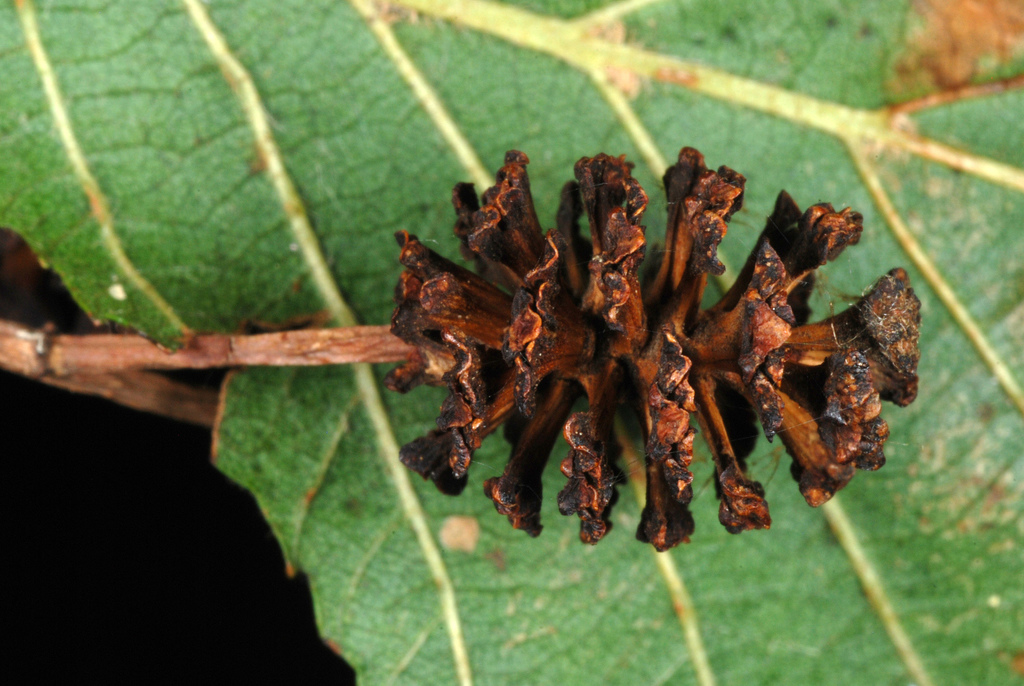
Photo (c) Douglas Goldman, taken in New York, United States. CC BY-SA via iNaturalist.
Soil health is the capacity of soil to function as a living ecosystem, supporting complex interactions between microorganisms, soil fauna, and plant communities. For plant science, soil health is critical because these biological and chemical soil properties directly control nutrient availability,
arrow_forward Explore topic