Genome-wide association studies identify new candidate genes and tissues underlying resistance to a natural toxin in drosophilids.
Marconcini M, Fragnière C, Masuzzo A, Benton R
Crop Improvement
Understanding exactly how insects overcome a plant's natural chemical defenses could help us design smarter, more targeted pest controls — protecting crops without the broad-spectrum harm of conventional insecticides.
Noni fruit is loaded with a natural acid that is deadly to most insects, but one specialized fruit fly has evolved to live exclusively on it. Researchers screened hundreds of fly strains and found that resistance to this plant toxin isn't controlled by one gene or one part of the body — it's a team effort spread across many genes and tissues. Two genes in particular, one involved in ferrying fatty acids across cell membranes and another that helps build the physical barrier of the gut lining, were confirmed as key players in keeping the flies alive.
Key Findings
Some strains of common fruit flies (D. melanogaster and D. simulans) showed octanoic acid resistance levels matching the specialist noni fly, revealing hidden natural variation in the trait.
Resistance to the noni toxin does not correlate with resistance to conventional insecticides, indicating a distinct and separate toxicity mechanism.
Loss-of-function experiments confirmed at least two genes — Bez (a fatty acid transporter) and CG13003 (a structural matrix component) — are required for full resistance, supporting a multigenic, multi-tissue defense model.
chevron_right Technical Summary
Scientists discovered that a fruit fly's remarkable ability to survive on toxic noni fruit — which poisons most other insects — is controlled by multiple genes acting across different tissues, not a single resistance mechanism. This multi-layered defense, involving fatty acid transport and structural proteins, helps explain how insects can evolve to exploit plants that produce potent natural chemical defenses.
Abstract Preview
Many insects can rapidly evolve resistance to artificial insecticides through changes in toxin target proteins. Over longer timescales, insects also evolve resistance to naturally occurring toxins ...
open_in_new Read full abstractAbstract copyright held by the original publisher.
Species Mentioned
Was this useful?
Want to tell us more? (optional)
Thanks for the note!
Something went wrong — please try again.
Too many submissions. Try again in an hour.
Targeted knockout of a host peroxisomal peptidase confers field resistance to...
The corn in your grocery store and the staple food keeping millions of East African families fed is under serious threat from a viral disease that can wipe o...
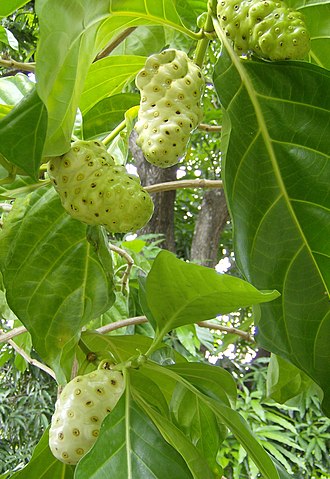
Morinda citrifolia is a fruit-bearing tree in the coffee family, Rubiaceae. There are over 100 names for this fruit across different regions, including great morinda, Indian mulberry, noni, beach mulberry, vomit fruit, awl tree, and cheesefruit.