Phytomelatonin receptor PMTR1 is crucial for melatonin-mediated plant broad-spectrum disease resistance.
Cheng X, Liu Y, Zheng Y, Liu G, Shi H
Plant Signaling
Cassava feeds over 800 million people worldwide, and this discovery could lead to disease-resistant varieties that protect harvests from the bacterial and viral outbreaks that currently devastate crops across Africa, Asia, and Latin America.
Melatonin — yes, the same molecule that helps you sleep — also helps plants fight off disease. Researchers found that cassava plants have a special melatonin receiver called PMTR1 that, when activated, switches on a whole cascade of protective responses against both bacteria and viruses. Without this receiver, even flooding the plant with melatonin doesn't boost its defenses, making PMTR1 the critical gatekeeper for this immune boost.
Key Findings
Exogenous melatonin application enhanced cassava resistance to both bacterial blight (Xanthomonas axonopodis) and common mosaic virus, confirming broad-spectrum protection.
The MePMTR1 receptor gene was induced by both bacterial and viral pathogens as well as by melatonin itself, and plants lacking functional MePMTR1 lost melatonin's disease-resistance benefits.
RNA-sequencing identified downstream genes activated through MePMTR1, including calmodulin-like proteins, WRKY and MYB transcription factors, and pathogenesis-related proteins, mapping a new immune signaling network.
chevron_right Technical Summary
Scientists discovered that a melatonin receptor in cassava plants (PMTR1) is essential for the plant to defend itself against both bacterial and viral diseases when melatonin is present. This finding reveals a new piece of the puzzle in how plants use melatonin as an immune-boosting signal.
Abstract Preview
PMTR1 is essential for melatonin-improved plant broad-spectrum disease resistance to bacterial pathogens and viruses. Melatonin plays vital roles in various plant stress responses, and the identifi...
open_in_new Read full abstractAbstract copyright held by the original publisher.
Species Mentioned
Was this useful?
Want to tell us more? (optional)
Thanks for the note!
Something went wrong — please try again.
Too many submissions. Try again in an hour.
Targeted knockout of a host peroxisomal peptidase confers field resistance to...
The corn in your grocery store and the staple food keeping millions of East African families fed is under serious threat from a viral disease that can wipe o...
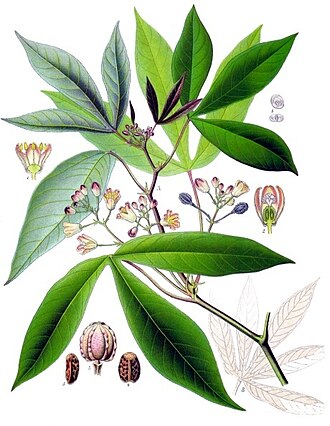
Manihot esculenta, commonly called cassava, manioc, or yuca, is a woody shrub of the spurge family, Euphorbiaceae, native to South America, from Brazil, Paraguay and parts of the Andes. Although a perennial plant, cassava is extensively cultivated in tropical and subtropical regions as an annual ...